
Fire Stopping & Compartmentation Surveys
A fire stopping survey is a thorough, fully certified check of your building's full fire stopping and compartmentation works.
Our compartmentation inspections include walls, floors, ceilings and service routes that separate one area from another. Essential in stopping the spread of fire, and maintaining the integrity of your buildings fire protection.
Fully certified & accredited fire stopping surveys
Safety and compliance are the foundation of our business.
We’re fully certified to carry out fire stopping surveys in line with the latest UK regulations and safety standards.




What are fire stopping surveys and why are they important?
Fire stopping surveys are essential to keep your building protected from fire.
New services, repairs and day to day use can damage fire barriers and create gaps that are hard to see. If a compartment is breached, smoke and fire can quickly spread between areas, making a building's fire protection redundant, and even blocking escape routes. This puts everyone inside your building at a serious risk, smoke and fire spread can be deadly, plus faulty compartmentation can spark serious compliance issues.
A structured fire stopping and compartmentation survey helps to identify faults and hazards before they snowball. By stopping any issues from getting out of hand, repair costs can be reduced, and most importantly, the safety of any occupants in your buildings is prioritised and protected.
What are the different types of fire stopping surveys?
We offer four different types of certified fire stopping and compartmentation surveys:
Communal Visual Survey
- Non-intrusive inspection of all accessible communal spaces.
- Identifies visible breaches, gaps, and any missing or damaged fire-stopping.
- Ideal as an initial compliance check with minimal disruption.
Communal Intrusive Survey
- Includes all visual checks plus controlled opening-up in communal areas.
- Examines concealed voids, service risers, and hidden service penetrations.
- Provides a deeper assessment where hidden defects are suspected.
Full Visual Survey
- Non-intrusive visual inspection across both residential and communal areas.
- Provides a full overview of compartmentation integrity throughout the building.
- Suitable where wide-coverage assessment is required without intrusive works.
Full Intrusive Survey
- Comprehensive intrusive inspection in all areas of the building.
- Allows detailed examination of concealed structures, fire-stopping, and compartment lines.
- Ideal where historic alterations or suspected defects may compromise fire safety.
Our fire stopping survey process
We follow a consistent, step by step process for every fire stopping survey.
Pre survey review
We start by reviewing any existing drawings, fire risk assessments and previous reports. This helps us identify any high priority areas such as plant rooms, risers and escape routes.
Planning the survey
Together we agree the scope, level of access and any areas that must remain live while the building is occupied. For larger sites we may phase the fire stopping survey over several visits to reduce disruption.
On site inspection
Our surveyors carry out a detailed inspection of walls, floors, ceilings and service routes. We open accessible hatches and panels and look above suspended ceilings.
Typical tools include:
- High quality digital cameras and tablets for recording findings
- Measuring tools for noting the size and extent of defects
- Simple access tools to lift tiles, open hatches and check void
- Location plans to mark the position of each issue
Where needed and agreed, we can also work with intrusive checks to confirm the construction of hidden walls or floors. Any such work is carefully planned and made safe on completion.
Recording and classifying findings
Every defect is recorded with a unique reference, location, photo and description. We classify issues by severity and potential impact on compartmentation. This structured approach means your final fire compartmentation survey report is easy to understand and simple to use when planning remedial work.
Fire stopping survey report
After the survey you receive a clear and practical fire stopping survey report, detailing any hazards, and offering clear next steps for repairs and replacements.
Your report will normally include:
- An overview of the building and the areas surveyed
- A summary of the overall condition of fire stopping and compartmentation
- A schedule of all defects, each with a location, description and photograph
- A simple risk or priority rating for each item
- Recommendations on how issues can be put right
- Guidance on next steps, including further fire stopping inspection or remedial works
If you need help after the report is issued, we can talk you through the findings, help you plan a programme of remedial works and schedule future surveys so that your building remains safe, compliant and well documented.
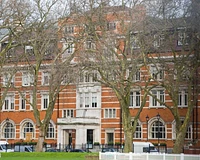
Royal Horticultural Society
After being approached by the Royal Horticultural Society (RHS), we conducted a comprehensive fire-stopping survey in their London office.
We inspected the building's service penetrations, gaps and junctions, providing the RHS with a clear report covering all hazardous fire stopping. We then remedied any issues that were highlighted in our survey.
After repairing any non-compliant compartmentation, the building had safe, fully functional fire stopping, with zero major non-conformances at handover.
Find out moreGet in touch with our fire protection experts
Get in touch!Prevent downtime through pre-planned maintenance
Our PPM packages give you a better way to manage your fire stopping. With regular servicing, you stay ahead of compliance - while protecting your budget from avoidable surprises.
-
Protect your budget from surprises
Our scheduled approach means fewer emergencies and better forecasting
-
Catch issues before they escalate
We resolve minor issues before they cause compliance failure
-
Reduce long term repair costs
Regular maintenance reduces the need for major replacements
Interested in Pre-Planned Maintenance?
Find out moreA fire risk assessment is broader, including fire doors, and does not go into the same level of detail as a fire compartmentation survey.
Many buildings are checked every one to three years or after major works. Higher risk or heavily altered buildings may need more frequent surveys.
It depends on building size and complexity. We plan the work with you, phase visits if needed and work around your operations to keep disruption low.
Choose companies with recognised passive fire training and third party certification such as BM TRADA Q Mark or FIRAS to show competence and regular assessment.
You receive a clear report with a summary, photos, locations, descriptions and priority ratings so your teams and contractors can plan remedial work.
Yes. We can quote for remedial work based on the survey findings, or your own contractors can use the report to complete the repairs.
No single law specifically mandates a fire stopping survey, but they are a critical tool to ensure compliance with UK fire safety law. Specifically, the survey provides the necessary evidence that you are upholding your duties under the Regulatory Reform (Fire Safety) Order, the Fire Safety Act of 2021 and the Fire Safety Regulations of 2022 which applies to high rise buildings.